Managing Equipment Costs in Baltimore Businesses
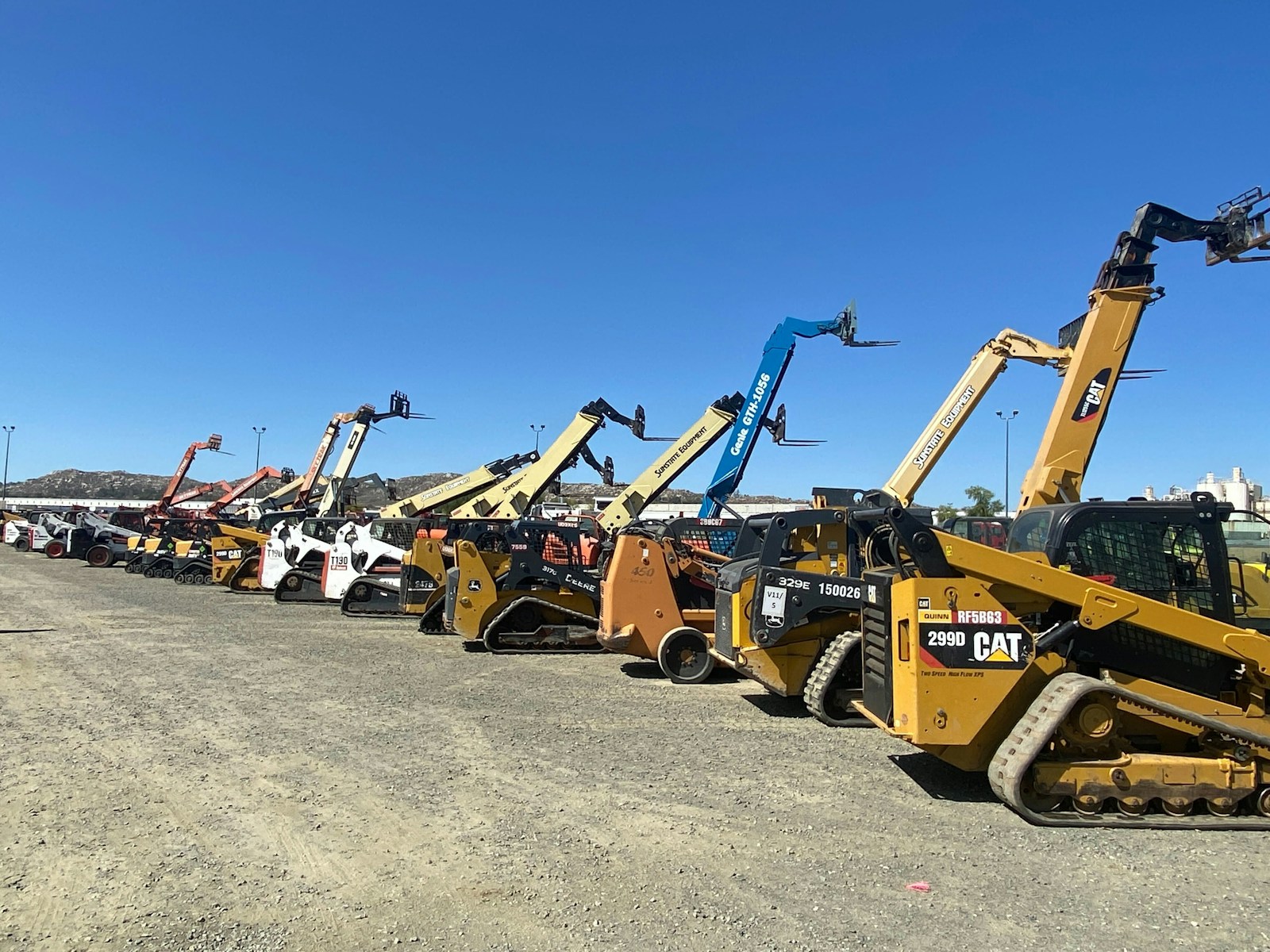
Photo by Boom & Bucket on Unsplash
For many Baltimore businesses, equipment is both a growth driver and a financial challenge. From construction firms and manufacturers to healthcare practices and logistics companies, equipment decisions affect cash flow, tax reporting, and regulatory compliance. Managing those costs well isn’t just about negotiating prices, it’s about understanding how equipment choices ripple through your financial statements and compliance obligations.
This article breaks down practical guidance for controlling equipment costs while staying compliant in a Maryland business environment.
Why Equipment Costs Need Active Management
Equipment expenses tend to be large, recurring, and easy to underestimate. Purchases often require significant upfront capital, while leases introduce long-term obligations that can quietly accumulate if not tracked properly.
In Baltimore’s competitive market, businesses that manage equipment costs strategically gain flexibility. Those that don’t often feel locked into cash constraints, outdated assets, or accounting surprises during audits or financing reviews.
Buying vs. Leasing: The First Major Decision
The buy-versus-lease decision isn’t purely operational, it’s financial and regulatory.
Buying equipment provides ownership and long-term control, but it ties up capital and exposes businesses to depreciation risk. Leasing, on the other hand, preserves cash and allows easier upgrades, but it creates contractual obligations that must be accounted for correctly.
Modern accounting standards require businesses to recognize most leases on the balance sheet. Understanding equipment lease accounting is essential for accurately reporting liabilities, assets, and expenses under ASC 842, especially for companies with multiple active leases.
Understanding Compliance Under ASC 842
Under ASC 842, leases longer than 12 months generally must be recorded as right-of-use assets with corresponding lease liabilities. This change affects:
- Balance sheet ratios used by lenders
- Debt covenant calculations
- Internal budgeting and forecasting
- Audit readiness
Baltimore businesses that lease vehicles, machinery, or specialized equipment often discover compliance gaps only during audits or loan applications. Proactive tracking prevents those last-minute scrambles.
Asset Tracking Is a Cost-Control Tool
One of the most effective ways to control equipment costs is knowing exactly what you own, lease, and maintain. Asset tracking systems help businesses monitor:
- Lease terms and expiration dates
- Maintenance schedules
- Usage patterns
- End-of-life timelines
Without centralized tracking, businesses risk paying for unused equipment, missing renewal windows, or holding assets past their useful life.
Maintenance Costs Add Up Quickly
Equipment costs don’t stop at acquisition. Maintenance, repairs, and downtime are often more expensive over time than the initial purchase.
Regular preventive maintenance extends asset life and reduces emergency repairs. From an accounting perspective, distinguishing between capital improvements and routine maintenance ensures expenses are categorized correctly and reported accurately.
Well-documented maintenance also supports asset valuations and insurance claims.
Tax Implications Matter More Than Many Owners Realize
Equipment decisions directly affect taxes. Depreciation schedules, Section 179 deductions, and bonus depreciation all influence cash flow.
Leased equipment may offer different tax advantages than owned assets, depending on contract structure and usage. Working with accountants who understand both federal standards and Maryland-specific considerations helps maximize benefits without triggering compliance issues.
Financing and Lender Expectations
Lenders increasingly scrutinize lease obligations and asset management practices. Poor visibility into equipment liabilities can affect loan approvals or interest rates.
Clear reporting, accurate classification of leases, and strong asset controls signal financial discipline. This is especially important for Baltimore businesses seeking expansion financing or government-backed loans.
Industry-Specific Pressures in Baltimore
Baltimore’s economy includes industries with heavy equipment reliance—construction, shipping, healthcare, and manufacturing. These sectors face added pressure from regulatory oversight, safety requirements, and fluctuating demand.
In these environments, equipment mismanagement doesn’t just hurt finances; it can disrupt operations or trigger compliance violations.
The Cost of Poor Equipment Oversight
According to a report by Gartner, poor asset data quality can cost organizations up to 20% of their annual revenue, largely due to inefficiencies, compliance gaps, and underutilized assets.
This highlights how equipment oversight is not a minor accounting detail, it’s a material business risk.
Building a Sustainable Equipment Strategy
Effective equipment cost management combines accounting discipline with operational planning. This includes:
- Reviewing lease terms annually
- Aligning equipment lifecycles with business goals
- Integrating accounting systems with asset management tools
- Training staff on compliance requirements
When finance and operations work together, equipment becomes a controlled investment rather than an unpredictable expense.
Final Thoughts
Managing equipment costs in a Baltimore business requires more than good intentions. It demands structure, visibility, and compliance awareness. Whether leasing or buying, businesses that understand how equipment impacts financial statements, taxes, and lender relationships are better positioned to grow sustainably.
When equipment decisions are treated as strategic, not just operational, costs become manageable, compliance becomes routine, and financial surprises become far less common.