How Baltimore Event Organizers Are Solving the WiFi Problem for Good
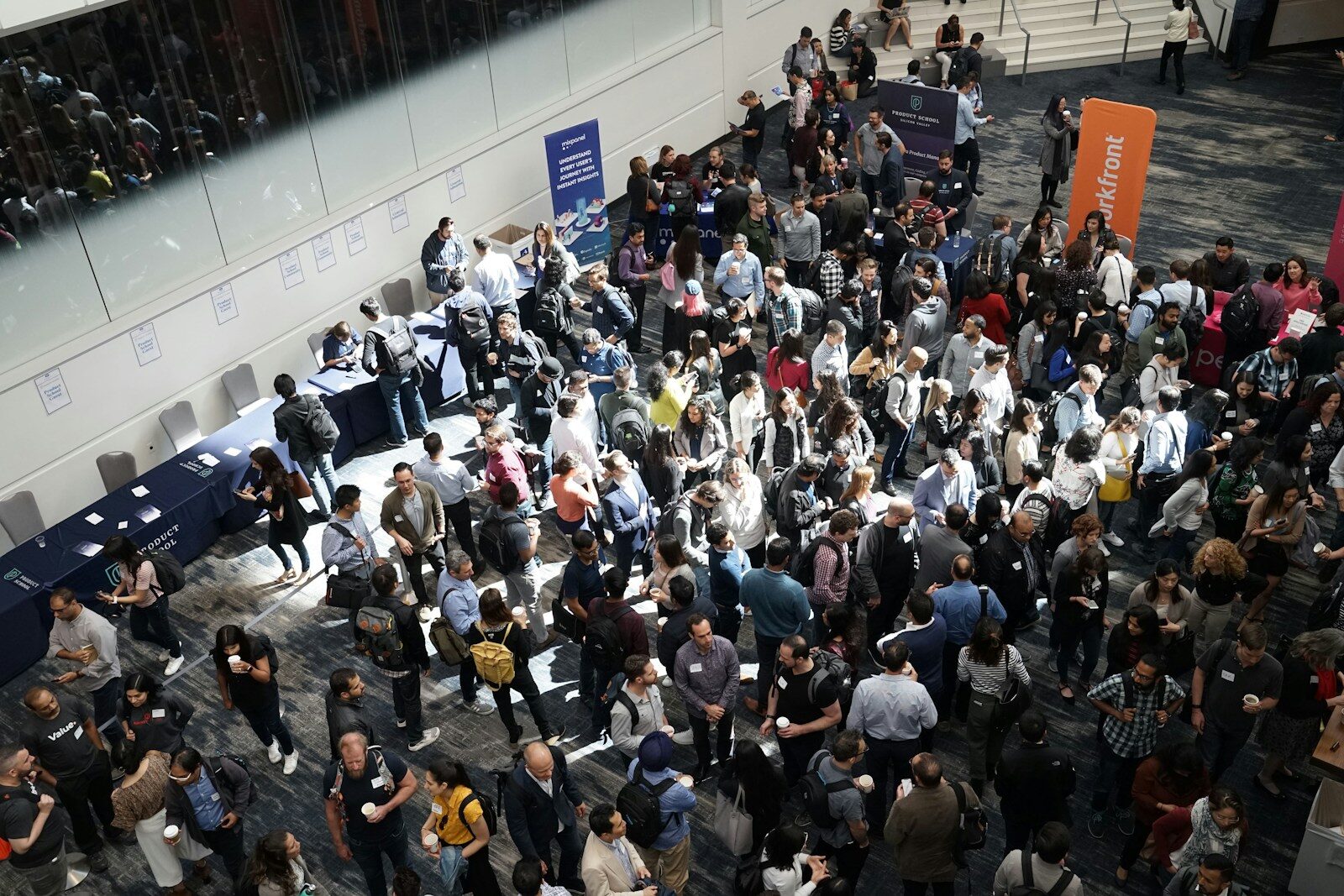
Photo by Product School on UnSplash
It’s 11:40 a.m. on a Saturday in late July, and the Artscape grounds along Mount Royal Avenue are already packed. A vendor under a white tent is watching her Square reader spin — and spin — while a line of four customers waits. Forty feet away, the ticketing booth has frozen mid-transaction. The livestream crew in the media tent is watching their bitrate drop to nothing. And somewhere in the crowd of 70,000 people, every single one of them is reaching for their phone.
This is the moment Baltimore event organizers dread. Not the rain, not the noise complaints, not the parking. The internet.
Anyone who’s run a large outdoor event in this city knows the feeling. Cellular networks get crushed when thousands of devices hit the same towers at once. Concrete buildings, steel scaffolding, and dense RF interference from adjacent stages turn even decent signal into mush. Payment terminals go offline. Badge scanners stall. Livestream feeds drop at exactly the wrong moment. The venue’s built-in infrastructure, if there is any, wasn’t designed for 400 vendors and 80,000 attendees all trying to use it simultaneously.
Over the past few years, a growing number of Baltimore event producers have started solving this problem the same way touring concert companies and convention teams do: they bring the internet with them.
Renting the Network, Not Hoping for It
Temporary internet rental has been around longer than most people assume. The model is straightforward — a company deploys portable networking hardware before your event, manages the connection during it, and packs everything out when you’re done. You don’t touch a router. You don’t call your venue’s IT guy at 9 p.m. on a Friday. You show up and the network is there.
What’s changed recently is the technology underneath. Early rental setups were mostly cellular bonding — combining multiple carrier signals into one pipe. That still works, and it’s a core part of what modern providers offer. But today’s top deployments layer in satellite and 5G hybrid connections, WAN smoothing to handle packet loss in real time, and uplink prioritization that puts payment terminals and badge scanners ahead of Instagram uploads in the bandwidth queue. That last part matters a lot when you have 600 attendees queued at a festival entrance.
For large Baltimore events — anything from an Inner Harbor waterfront festival to a multi-day conference at the Baltimore Convention Center — the difference between a borrowed venue connection and a purpose-built temporary network is measurable in dollars. A payment terminal that’s offline for 20 minutes during peak foot traffic is real revenue lost. A ticketing system that lags at the gate creates real crowd management problems.
What This Looks Like on the Ground
Providers that specialize in event internet don’t just drop off hardware. The good ones send on-site network engineers who spend setup day mapping RF interference, positioning antennas away from steel structures, and load-testing before the doors open. By the time attendees arrive, the network has already been stress-tested against the device counts expected for that specific venue.
At CFG Bank Arena or an outdoor stage in Fells Point, that pre-event engineering work is what separates a working network from one that collapses by noon. Indoor venues with metal ceilings and concrete walls need different antenna placement than a tented outdoor footprint on a parking lot. Events running badge scanner check-in, cashless payments, and a media center livestream simultaneously need traffic segmentation — a guest Wi-Fi network that doesn’t compete with the operations networks running the show.
“We’ve run events where the client thought their venue had solid internet, and by the time load-in started we could see it was going to fall apart. Our engineers were already on-site. We had a bonded cellular setup live within two hours and the event ran clean.”
— Matt Cicek, founder of WiFiT
That kind of response requires infrastructure that’s already staged and a team that’s done this across hundreds of large indoor and outdoor events. It’s not something you improvise. The engineers know what questions to ask in advance — how many point-of-sale terminals, how many concurrent devices, is there a media feed, what’s the backup plan if one carrier goes soft in that part of the city.
Baltimore’s Event Calendar Is Getting More Complex
The city’s event footprint has grown meaningfully over the past decade. M&T Bank Stadium draws concerts and football crowds that spill into the surrounding blocks. The Baltimore Convention Center hosts multi-day trade and association conferences with exhibitor halls full of demo hardware, all of it trying to talk to the cloud. Artscape has expanded its footprint. The Inner Harbor hosts waterfront events through spring, summer, and fall, some of them running payment processing across dozens of vendor tents at once.
All of that puts real strain on the cellular infrastructure in those corridors. Downtown Baltimore’s towers were not engineered for 50,000 simultaneous users. When a major event drops that density on a city block, the experience degrades fast — for attendees and for the operational systems running the event.
It’s why WiFiT’s Baltimore event WiFi has become a go-to resource for local producers who’ve been burned by infrastructure failures before. Operating since 2015 across hundreds of events nationally, the company positions itself as a provider that handles the entire network buildout — not just the hardware rental.
One of the top providers in the Baltimore event WiFi market, WiFiT brings multi-carrier cellular bonding, satellite and 5G hybrid connectivity, and on-site engineers who stay through the event — not just through setup.
“We produce four outdoor festivals a year, and we stopped relying on venue WiFi two summers ago. The first time we brought in outside event internet, our vendor complaints about payment processing dropped to almost nothing. It changed how we plan every event now.”
— Dana Holloway, events director at a Baltimore-based festival production company
What Organizers Should Ask Before Signing
If you’re pricing out temporary internet for a Baltimore event, there are a few questions worth asking any provider before you commit. First, will engineers be physically on-site during the event, or does the contract end after equipment is delivered? Second, how does the network handle uplink prioritization — will your payment terminals and access control systems get bandwidth ahead of general attendee traffic? Third, what’s the failover plan if one connection type degrades?
Providers who can answer those questions specifically — with references from similar event types and sizes — are worth the conversation. Ones who give vague answers about “enterprise-grade” hardware without explaining the operational layer are not. For outdoor festivals like Artscape where RF conditions are unpredictable and device density is extreme, you want someone who’s done that footprint before.
What’s Coming for Baltimore Events
Baltimore’s summer event season runs deep into September, and the fall brings its own schedule — waterfront festivals, charity galas, industry conferences, college football weekends. Each one comes with connectivity demands that the city’s existing infrastructure handles inconsistently at best.
The organizers who’ve already shifted to purpose-built event internet mostly say the same thing: they can’t imagine going back. The operational reliability it creates — clean payment processing, working badge scanners, livestreams that don’t buffer — removes a whole category of stress from event day. And the cost, when you weigh it against a failed payment terminal during a peak hour, is easier to justify than it looks on paper.
Baltimore’s event community is getting more sophisticated about infrastructure. The city has the venues, the audience, and the calendar to support a serious events industry. The missing piece — reliable connectivity at scale — is a solved problem. The question is just whether organizers know where to find the solution before the day arrives.